Hair Color for Warm Undertones: Choose Depth Before Warmth
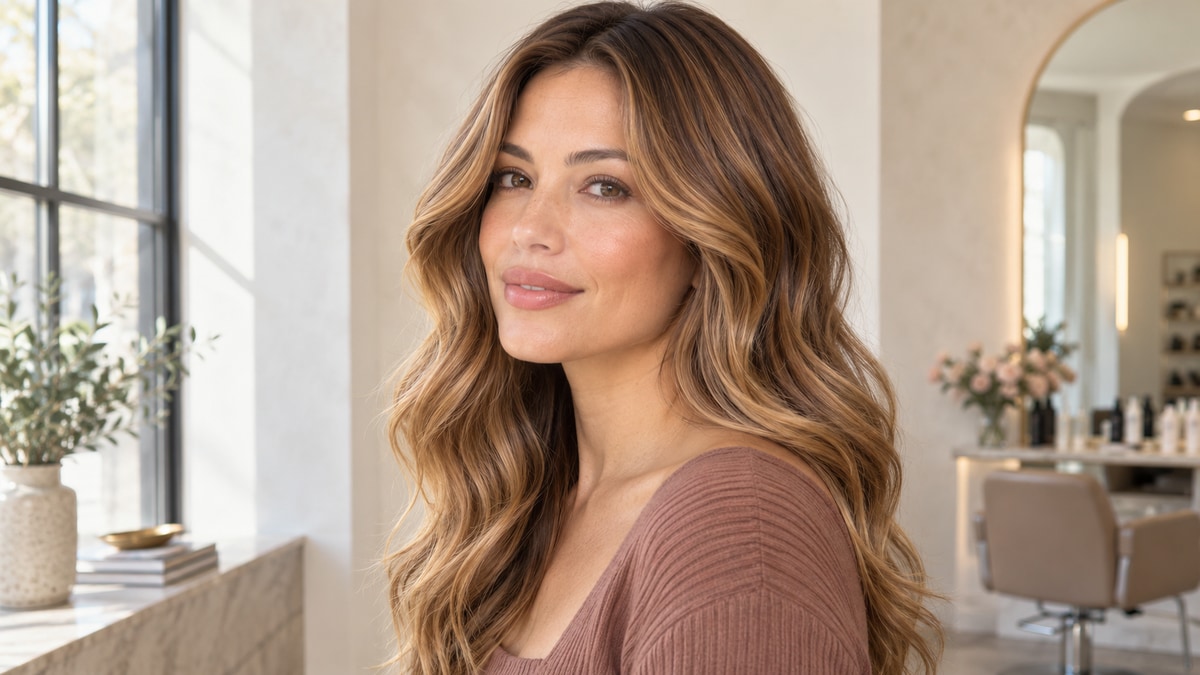
Warm undertones can be a starting point for comparing honey, caramel, golden brown, and copper. First decide how light or deep you want the result and how much contrast you prefer. These are styling choices, not rules that exclude cooler shades. A useful salon reference shows the depth, reflection, and placement you want in similar, neutral light.
Use undertone as a comparison cue, not a test result
Skin undertone describes a relatively persistent color impression; skin depth describes how light or deep the complexion appears. Surface redness, a tan, room lighting, and a phone camera’s color balance can all change that impression. Maybelline’s makeup guide lists vein color, jewelry, and a white-shirt comparison as clues, but none is a precise test for choosing hair dye. Compare warm and cool hair references at the same hair depth beside your face in indirect daylight, then notice which effect you prefer. Wella’s light-brown examples describe golden caramel as a warm direction; they do not classify anyone’s skin.
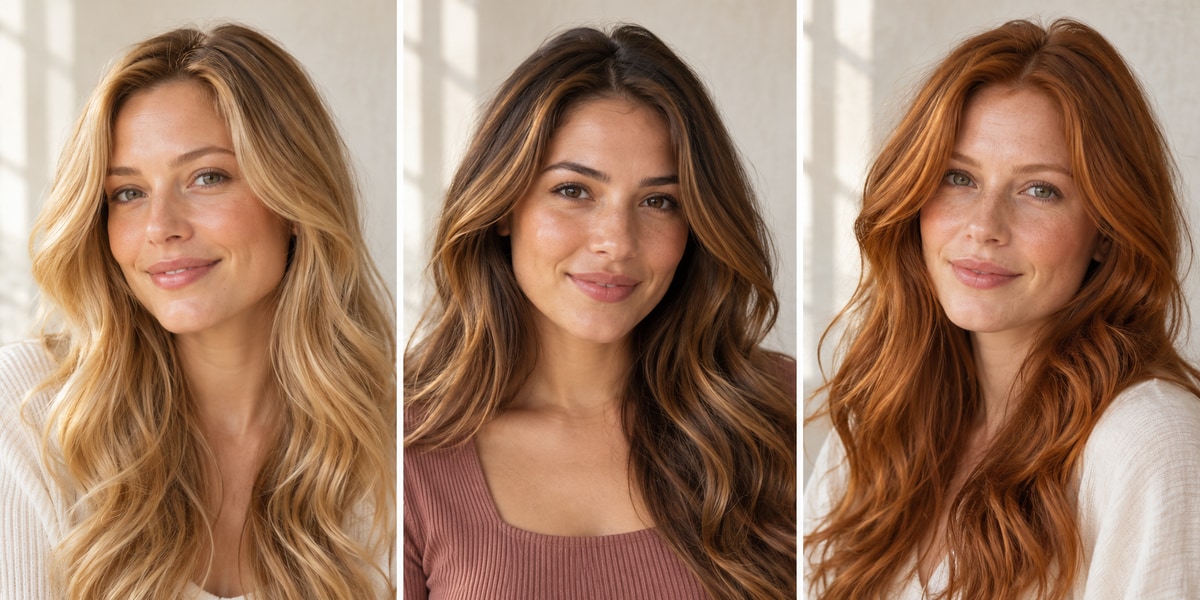
The portraits illustrate hair-color directions, not a way to determine the subjects’ undertones. Hair depth is lightness or darkness; reflection is the gold, copper, ash, or balanced cast you see within it. Caramel can bring a golden reflection to brown hair without turning the overall look blonde. Compare a caramel brown with a neutral brown of similar depth before deciding whether you want more warmth or more lightness. If the undertone clues disagree, the side-by-side shade comparison is still useful. The hair color analysis guide offers a fuller comparison process; the olive-skin guide explains why a greenish-looking complexion need not be sorted into a single warm category. Seasonal color labels can organize preferences, but they do not assign a mandatory palette.
Choose depth before choosing gold or copper
Start with the overall depth you want around your face. A medium caramel brown and a deeper cinnamon brown change both the light-to-dark frame and the visible reflection; judging them as a single “warm versus warm” choice hides that difference. To isolate depth, compare two browns with a similar golden cast. To isolate reflection, compare caramel and a red-leaning cinnamon at a similar depth. Wella illustrates cinnamon brown as light brown with a red reflection. Shade names are references, not standardized formulas. The guide to hair color levels explains the depth vocabulary.
You can also choose where the brighter shade appears. Wella includes caramel among face-framing highlight examples: a few pieces beside the face can create a visible accent while the rest remains deeper. That is a different visual request from making all the hair lighter. The amount of lightening needed depends on your natural base, previous dye, and hair condition; a finished photograph cannot establish the process for your hair.
| Direction | Depth | Reflection | Placement | What to check |
|---|---|---|---|---|
| Honey or golden blonde | Lighter overall | Clear gold or softer beige-gold | All over or with a deeper root | How much lightness and root contrast do you want? |
| Caramel brown | Keep a brown base | Golden-brown accent | Across the hair or in selected pieces | Do you want the warmth visible everywhere or mainly in the lighter pieces? |
| Cinnamon brown or copper | Compare at a similar depth first | More red or orange-red | All over or selective | How much red reflection do you want in daylight? |
The hair color wheel helps explain why changing a reflection is different from making the hair lighter. When you save references, note which variable each image shows clearly; a darker photo can make a warmer shade appear more muted than it is.
Compare placement and root contrast
All-over warmth changes the impression across the head. Balayage describes hand-painted placement that can concentrate brightness through the mid-lengths and ends; Wella’s caramel example shows this on a medium-brown base. If you want to keep your natural root depth, say so separately. A deeper root can make the transition to lighter lengths less abrupt to the eye, but the actual grow-out and service plan depend on your starting hair and placement.
Bring a small reference set: one image for overall depth, one for the amount of gold or copper, and one for where the change should appear. Show your natural roots and describe previous permanent color or lightening. The table turns each visual goal into a question for the appointment.
| Goal | Reference detail to show | Question for your colorist |
|---|---|---|
| Softer-looking grow-out | Natural-depth root blending into warmer lengths | How would this root and placement grow out on my hair? |
| Brightness near the face | Caramel pieces around the face while the base stays brown | How light could these pieces be on my current base? |
| More saturated copper | Similar depth, with a clearly stronger copper reflection | How might this tone fade, and what upkeep would it need? |
Plan fading and salon maintenance
Golden warmth can be the goal, while a strong orange cast can be unwanted. Tell your colorist which reflection in a reference you want to keep and which change you would dislike as it fades. Do not treat every warm strand as brassiness or automatically cool down the entire shade. A toner or gloss is a service choice whose effect depends on the actual formula and your hair; ask what it would change in your chosen honey or caramel result.
Read the hair color maintenance guide before setting your follow-up plan. Ask your colorist how this particular shade may fade, which home products are appropriate, and when to review the tone again. Include the root contrast and any copper-red reflection in that discussion. There is no single visit interval that fits every starting color, technique, and goal. If you color at home, follow the specific product’s directions and warnings, including its patch-test instructions; the FDA’s hair-dye precautions describe these safeguards. For a substantial move lighter, the American Academy of Dermatology notes that stronger peroxide can increase damage. Discuss feasibility in light of your hair history and condition.
FAQ: warm skin and contrasting colors
Can warm skin wear ash?
Yes. Ash can be an intentional cool contrast with warm-looking skin. Compare an ash reference with a golden or neutral reference at similar depth and in the same light, then choose the effect you like. Wella’s warm caramel example is an option to compare, not a rule against cooler colors. Ask how the cool reflection might look as it fades on your current hair.
Does caramel always require bleach?
No single process follows from the word caramel. The answer depends on your starting depth, previous color, condition, and how light you want the caramel to appear. A photograph of the finished color cannot tell you whether bleach was used or what your hair would need. Show your colorist both the shade and its placement, and ask what is realistic for your first appointment.
Compare your preferences with the hair color quiz, then take your references and color history to your colorist.
Continue exploring
- Hair Color for Cool Undertones: Ash, Beige, and Espresso
- Best Hair Colors for Pale and Fair Skin: Complete Undertone Guide
Browse all skin tone guides.