Best Hair Colors for Olive Skin: The Complete Undertone Guide
The short answer: Olive skin can look beautiful with warm caramel and chestnut, cool mushroom brown and mocha, or balanced chocolate and bronde. The most useful choice is the one that fits your preferred contrast, your natural hair depth, and the amount of upkeep you want. Your skin depth alone does not decide whether your best direction is warm or cool.
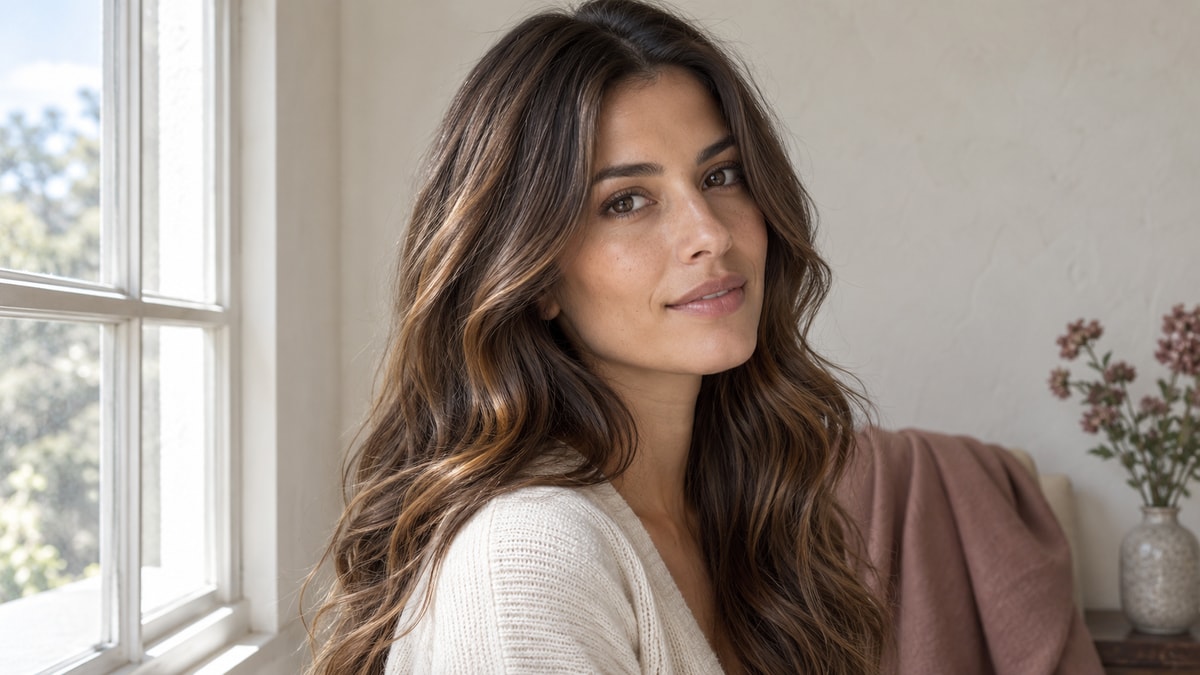
| Olive direction | Brunette ideas | Lighter or red ideas |
|---|---|---|
| Warm-leaning | Caramel brown, toasted chestnut | Honey bronde, soft auburn |
| Cool-leaning | Mushroom brown, cool mocha | Smoky beige ribbons, muted ash blonde |
| Neutral-leaning | Rich chocolate, hazelnut | Dimensional bronde, subtle toffee ribbons |
Use this table as a starting palette, not a rule. Hold a hair swatch or reference photo near your face in indirect daylight, then compare it with a slightly warmer and a slightly cooler option. If you like the effect, that preference counts more than a label.
What makes olive skin unique? Temperature versus depth
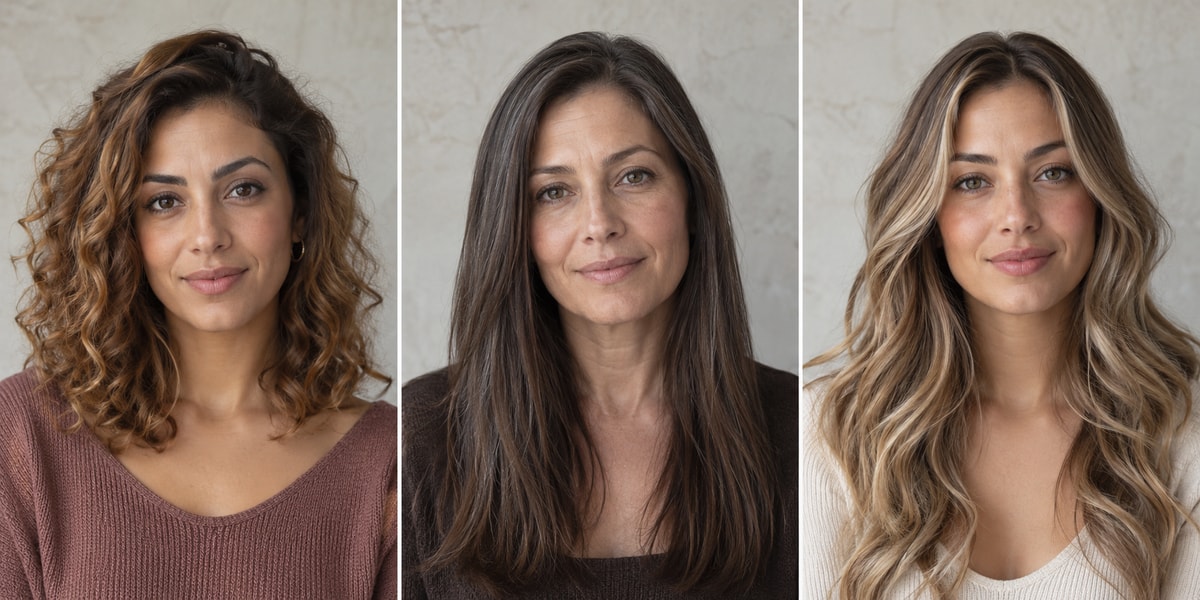
In color advice, olive describes a skin appearance that can have a subtle green or gray-green cast. It is not a separate level of skin darkness or a synonym for a tan. Someone may have fair, medium, or deep olive skin; each may lean warmer, cooler, or more neutral. Skin depth tells you how light or deep the complexion appears. Temperature describes whether a warmer, cooler, or balanced color relationship feels more harmonious to you. Surface redness can sit over any of these and should not be mistaken for the whole undertone.
That distinction matters when choosing hair color. “Olive skin needs dark hair” is too broad for a fair olive reader who wants a soft beige blonde. “Olive skin needs warmth” is equally broad for someone who prefers a restrained ash brunette. What usually matters in the mirror is the relationship among skin, brows, eyes, and the hair around the face. Styling guidance can help narrow the options, but there is no biological test that assigns one required shade.
A three-step daylight check
- Remove the color cast. Stand near a window in indirect daylight, without a filter or strongly tinted makeup. Look at both your jaw and neck; redness on your cheeks alone can be misleading.
- Compare fabrics, then compare hair references. Try a softened moss or terracotta near the face, then a cooler pine or berry. Notice which pairing you prefer. Repeat with two hair-color photos shown under similar light. The fabric test is a styling aid, not a diagnosis.
- Check metal as a secondary clue. Gold and silver jewelry may help you notice a preference, but neither is decisive. If both work, a balanced or neutral hair tone may be a useful first experiment.
If you are unsure, start with two versions of the same depth—for example, warm chestnut and cool mocha. Comparing like with like makes temperature easier to judge than comparing a dark brunette with a pale blonde.
Natural depth and facial contrast: the rule most people ignore
Your natural depth is how light or dark the untreated hair at your roots is. It is separate from tone: a level can be warm, cool, or neutral. Professional color systems use numbered levels to describe depth, although the precise numbering can vary by brand. Wella’s guide to levels and tones explains that distinction.
Now look at the visual contrast between your hair, brows, eyes, and skin. Dark brows and a deep natural base can make a pale all-over blonde feel like a big change, even when the blonde itself suits your skin. If you want to keep familiar contrast, retain some depth at the roots or around the face. If you want a more dramatic change, a lighter all-over color can be a deliberate choice. Neither is inherently more flattering.
A grayscale photo in even daylight can help you see value contrast without the distraction of color. It cannot tell you whether your skin is warm or cool. Compare the dark and light areas around your face, then decide whether you want your new hair to preserve that pattern or soften it.
Moving lighter versus staying near your natural level
Staying within a couple of levels of your natural base often makes the line of new growth less obvious. It can also mean a simpler salon plan than a dramatic lift, although the exact process depends on color history. Moving much lighter, especially over old dye, can expose warm underlying pigment and require more than one appointment. Wella’s color education guide shows how starting level and exposed pigment affect the result; the American Academy of Dermatology notes that lifting more than three shades generally calls for stronger peroxide and can increase damage.
Dimension simply means visible variation in lightness or tone. A few painted balayage pieces or fine babylights can add it without replacing every inch of your natural base. Ask the colorist how light the brightest pieces need to be and how the color will look as it grows out.
The most flattering hair colors for warm olive skin
Warm-leaning olive skin may look especially cohesive beside gold, caramel, or softly red-brown hair. Treat these as directions to test, not a universal ranking. If bright orange next to your face feels too intense, keep the warmth deeper and quieter.
Golden brunette and rich chestnut
A golden brunette keeps a brown foundation with a restrained golden reflection. Toasted chestnut adds a little red-brown warmth. On many salon charts, the middle-brown range falls around levels 4–6, but ask your colorist to show actual swatches because names and level systems vary. For a small change, keep the overall brunette depth and add a few caramel pieces near the face. You gain visible warmth while keeping a dark frame around the features.
Honey bronde and warm caramel highlights
Bronde sits between brown and blonde. A honey bronde with a deeper root gives you lightness through the lengths without requiring a pale blonde at the scalp. Caramel balayage can be placed where natural light would catch the hair, with darker pieces left between highlights. Bring a reference that shows both the light pieces and the root: the word “caramel” alone can describe anything from beige-gold to copper.
Warm auburn and cinnamon brown
Warm auburn combines brown with a red or copper note. Cinnamon brown is usually softer and deeper than vivid copper. These can be satisfying choices if you want a change that reads warm without going blonde. Red tones can fade visibly, so ask what kind of gloss or color refresh your particular formula may need. If you prefer a muted result, show the colorist examples with brown still clearly visible.
The most flattering hair colors for cool olive skin
For cool-leaning olive skin, try brown or blonde ideas with controlled warmth: mushroom brown, cool mocha, smoky beige. “Cool” does not mean the hair must be gray. An extremely green-ash finish can be difficult to wear if it is more muted than you intended. Compare the proposed swatch in daylight before committing.
Mushroom brown and ash mocha
Mushroom brown is a muted, earthy brunette; ash mocha keeps more brown richness while reducing red and gold reflections. Either can work if you want a quieter color than caramel. Ask for a neutral-cool result rather than an undefined “ashy” one, and show a photograph whose lighting lets you see the brown base. The point is to control unwanted warmth in the hair, not to “neutralize” a person’s complexion.
Cool espresso and soft blue-black
Espresso offers strong depth with a cooler finish. A soft blue-black is more graphic and can be striking when you enjoy high contrast. Check it beside your face before taking the whole head very dark: near-black dye can be difficult to reverse, and future lightening may be a separate process. A cool espresso is a more flexible first step if you are undecided.
Smoky beige and ash blonde ribbons
Fine ribbons of smoky beige or muted ash blonde can bring light close to the face while leaving a deeper brunette foundation. A balanced beige is often easier to visualize than a very silver photo with heavy editing. Ask to see the target in neutral daylight and discuss how exposed warmth will be managed as the toner fades. Light ribbons still require lightening, so placement and hair condition matter.
Neutral olive skin: the balanced palette
If both warm and cool references look convincing, use that freedom. Neutral-leaning olive skin can pair well with balanced browns and beiges; the amount of warmth is a preference, not a pass-or-fail result. Start by choosing depth and contrast, then fine-tune the reflection.
Classic chocolate and hazelnut
Milk chocolate suggests a medium brown that reads neither strongly gold nor strongly ash. Hazelnut is a touch warmer. Both are practical descriptions for a consultation, but they are not universal formulas. Ask the colorist to compare swatches at the same level and show how each would look beside your natural root.
Dimensional bronde
A coffee-brown base with creamy beige pieces can bridge warm and cool directions. The darker hair between pieces provides contrast; the lighter strands add movement. If you want low-key grow-out, keep the root close to your natural depth and place most of the lightness through the midlengths and ends.
Can olive skin pull off blonde? Salon reality
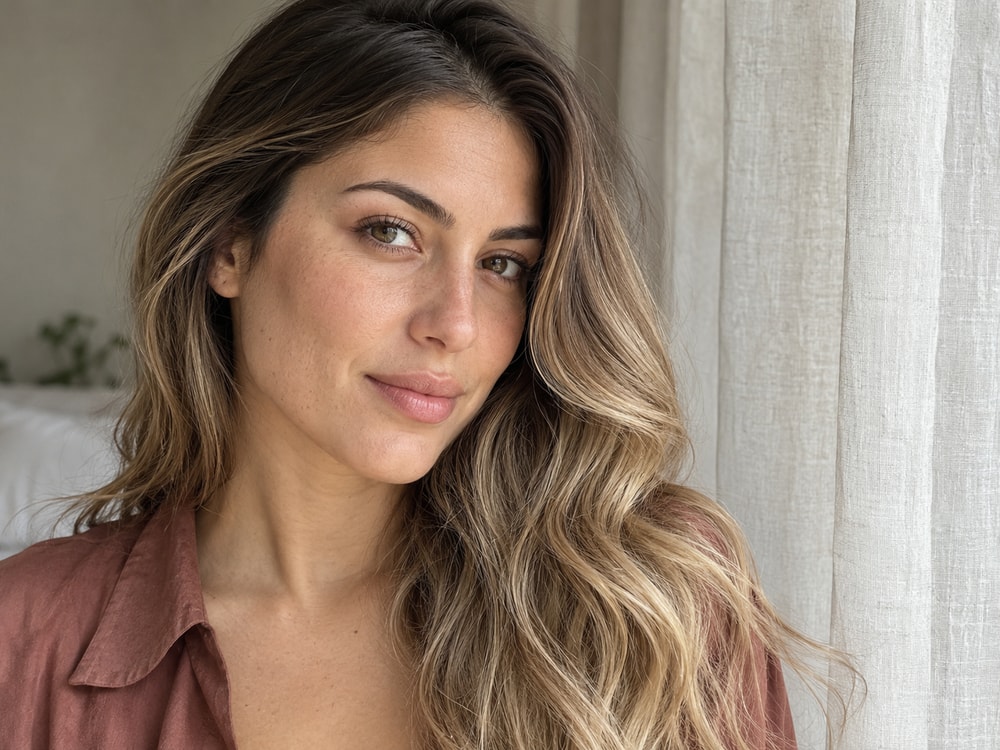
Yes. Olive skin does not rule out blonde. Choose the blonde by comparing its warmth and depth beside your face, then plan the process from your current hair. A root shadow—a slightly deeper tone near the scalp—can preserve contrast and soften visible grow-out, but it is an option, not a requirement. Redken’s explanation of dark roots and blonde hair describes this approach.
Platinum is also a style choice, not a forbidden shade. It creates a bigger contrast change and may require substantial lightening and continued toning, especially from a dark base. Previously colored hair can behave differently from untreated hair. Ask what result is realistic in the first appointment and whether a staged plan would better protect the hair.
| Direction to explore | Blonde references to compare | If the first reference feels too intense, try |
|---|---|---|
| Warm olive | Honey bronde, caramel blonde, golden wheat | Softer beige-gold instead of stark white platinum |
| Cool olive | Smoky beige, mushroom blonde, pearl bronde | Muted beige instead of vivid yellow-gold |
| Neutral olive | Creamy beige, champagne bronde, sand blonde | A balanced bronde instead of very orange-gold or slate-gray |
These are comparison prompts rather than fixed “avoid” lists. Look at the reference’s lighting, roots, and maintenance as carefully as its ends. A heavily edited photo may hide the true warmth or depth.
Shades to approach with caution
Flat jet black: If you want a softer frame, compare it with cool espresso at the same appointment. The deeper shade may be exactly right if you enjoy graphic contrast, but it is a larger commitment than the photo may suggest.
Very bright orange or brassy gold: If vivid warmth competes with the look you want, compare it with cinnamon brown, deep copper, or restrained caramel. Brassiness is also a hair-color maintenance issue, not a property of olive skin.
Strong green-ash: Ash pigment can help control red or orange in hair, as color-wheel guidance shows, but an excessive cool cast may look different from the mushroom brunette you had in mind. Compare with neutral mocha or beige ash and agree on the target before toning.
Preparing for your salon consultation
Describe three things: the depth you want, the temperature you prefer, and the contrast you want around your face. “I want a medium chocolate brown, slightly warm, with a dark root and a few caramel ribbons” gives a colorist more to work with than “make it flattering.” Share your current hair color, past permanent dye, lightening, and any treatments. A photograph of your roots in natural light can help start the conversation, but the colorist needs to assess the hair in person.
Bring two or three reference photos taken in similar light: one for the shade, one for the root transition, and one for a result you do not want. Ask whether a strand test is useful, especially if the hair is porous or has been colored or lightened before. A strand test checks how a small section takes color and how the hair feels afterward; it does not replace the product’s skin allergy test. Wella recommends strand testing for previously processed or porous hair, while the FDA advises a skin test before hair dye use and following product directions.
Finally, ask about the appointment sequence and upkeep: where will lightening be placed, will you need a gloss or toner, how often would you personally need a refresh, and what happens as the root grows? There is no universal six-to-eight-week schedule. The answer depends on the color, the technique, the hair, and how much change you are comfortable seeing between visits.
Frequently asked questions
How do I know whether my olive skin is warm or cool?
Compare warm and cool fabrics and hair swatches beside your face in indirect daylight, keeping the depth similar. Your preference may be clear, mixed, or change with the look you want. Vein color and how easily you tan are unreliable as single deciding tests. If neither direction wins, begin with a balanced brunette or beige and adjust from there.
Does brown hair look good on olive skin?
Brown gives you many options: caramel and chestnut for warmth, mushroom and mocha for a cooler impression, and chocolate for balance. The key question is which depth and reflection you like next to your own face and how far it is from your current color. A brown shade is a versatile starting point, not a requirement.
What hair color can bring out hazel eyes on olive skin?
If you want to emphasize the gold in hazel eyes, compare chestnut or caramel pieces near the face. To echo greener tones, try a cooler mocha or muted mushroom brown. Eye color can inspire a choice, but it does not determine one correct formula.
Your next step
Save the two shade directions you liked most, photograph your current hair in daylight, and note how much root contrast and upkeep you want. Bring those three points to a consultation. The hair color quiz can organize your preferences into three shade directions to discuss with a colorist.