Hair Color for Cool Undertones: Ash, Beige, and Espresso
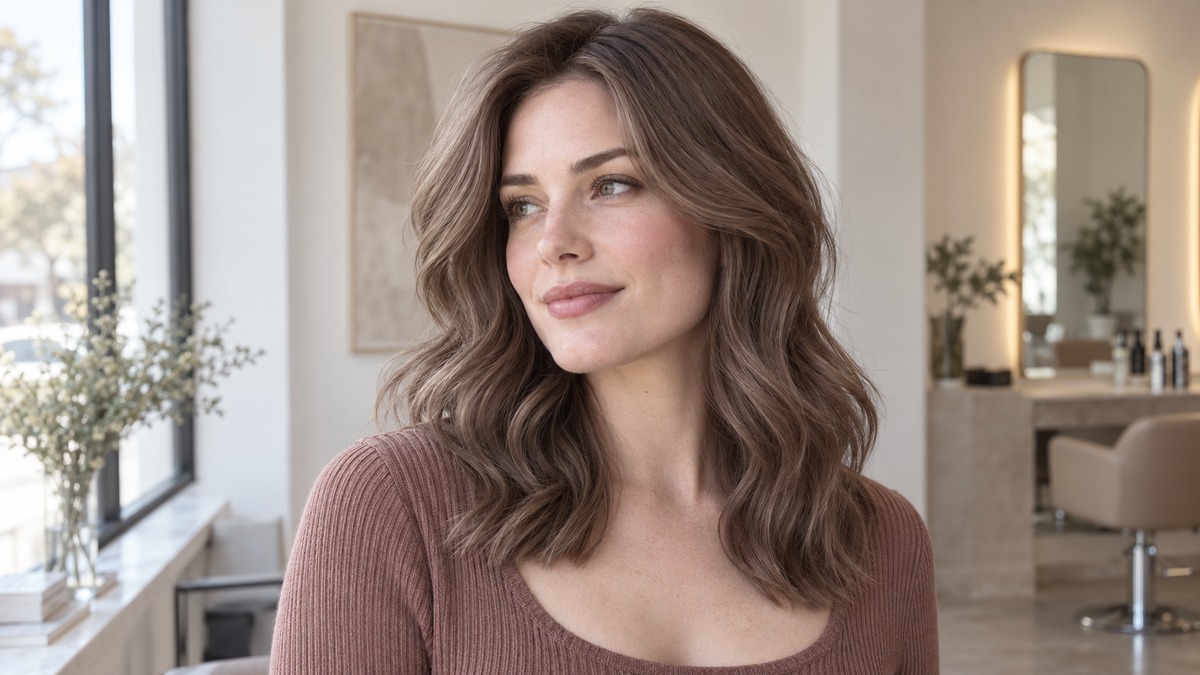
Cool undertones are one cue for comparing ash brown, smoky beige, pearl blonde, and espresso. Keep hair depth and contrast in the decision, and compare actual shade swatches rather than names alone. Warm shades can be a deliberate preference, too. Start with a reference close to your current depth, then ask what your natural base and color history make realistic.
Treat undertone checks as informal styling cues
Skin undertone describes a relatively steady color impression; skin depth describes how light or deep a complexion appears. Neither tells you a dye formula. Wella’s styling guide uses blue or pink as cool-tone cues and suggests comparing colors near a window. You can compare a cool and a warm shade beside your face in indirect daylight, keeping their depth and the light similar. Wrist veins or silver versus gold jewelry may prompt a closer look, but they cannot settle which hair color you should wear. A mixed result is fine: choose the visual effect you prefer. The hair color analysis guide offers a broader way to compare references.

Surface redness can change from day to day and is different from the undertone you are using as a styling cue. A cooler hair shade changes the colors seen beside your face; it does not treat or erase redness. If your complexion appears pink today, compare the hair reflections you like without trying to classify your skin from a photograph or treating flushing as a hair-color problem. If you are weighing a warmer direction, see the warm undertone hair-color guide for the corresponding shade comparison.
Compare cool brunette and blonde directions
Hair depth is how light or dark a shade is; reflection is its visible ash, beige, gold, or copper cast. A medium ash brown and a lighter champagne blonde differ in both dimensions, so comparing their names alone tells you little. First compare ash and a beige-brown option at the same brown depth; then compare that brown with a lighter champagne reference to judge how much lightness and root contrast you want. Mushroom brown and cool mocha offer other muted brunette references, while cool espresso keeps deeper brown contrast. The guide to hair color levels explains that depth vocabulary.
Wella lists “ash,” “platinum,” and “champagne” as cool-tone search terms. Those names help you find examples; they do not guarantee that two brands’ swatches look alike. Pearl can look more violet, champagne more beige, and ash more muted depending on the actual product and light. Ask to see the brand’s swatch and compare it with a daylight photograph of the result you want. Previously colored lengths, natural roots, and the amount of lightening needed also affect how close the result can get to the reference.
For a medium-brown base, mushroom brown shows a muted taupe cast, while cool mocha can keep more visible brown richness. If a very ashy sample looks too matte to you, compare it with a softer beige-brown at the same depth. For light hair, pearl blonde and smoky beige differ in how distinctly cool they look; platinum also changes the overall depth and may require more lightening from a dark base. For naturally dark hair, compare espresso with dark cocoa or soft neutral black in the same light. Espresso can retain a brown edge where black looks more solid. These are visual references, not service plans: previous color and hair condition may limit the route to any one image. If your complexion is fair and you want to compare blonde with deeper framing shades, the pale-skin color guide covers that separate choice.
| What to compare | Keep similar | Change | What to notice |
|---|---|---|---|
| Ash versus beige-brown | Brown depth and daylight | Cool versus softer beige reflection | Which reflection do you want to see in the lengths? |
| Brown versus champagne blonde | Similar cool or neutral reflection and daylight | Overall depth | How much lightness and root contrast do you want? |
Use warm color intentionally when you prefer contrast
Wella places copper among its warm shade descriptors. That is a description of the hair reflection, not a ban for cool-looking skin. A copper-brown can create a more noticeable warm-cool contrast than ash brown at the same depth. Compare both in similar daylight and decide whether you want the warmth to stand out. If you do, bring a reference that shows the particular copper depth and intensity you like.
Use these three directions as a short salon brief. A seasonal label or shade name cannot replace the visible depth, reflection, and root detail in your reference.
| Direction | Depth | Reflection | Reference question |
|---|---|---|---|
| Ash or mushroom brown | Medium brown near your base | Muted taupe or ash, with visible brown | How much cool reflection would show at my current depth? |
| Cool espresso | Deep brown | Subtle cool-brown dimension | How soft could the root edge stay as this grows out? |
| Copper-brown contrast | Compare with brown at a similar depth | Clear warm copper | How much copper would show in daylight on my hair? |
You might say, “I want the brown depth of this espresso photo, but a softer edge at my roots,” or “I like this copper reflection, but want to keep my natural depth.”
Separate color choice from brassiness correction
Brassiness is warmth that is unwanted in the chosen hair result, such as yellow in a cool blonde or orange in a lightened brunette. It is not determined by your skin undertone. The hair color wheel explains why yellow and orange call for different countertones and why changing tone differs from lightening hair. Ask your colorist which reflection is present in your hair before choosing a toner or pigmented shampoo. Follow the directions for any specific product; more cool pigment is not automatically a better match.
Read about hair color maintenance when planning how often you are willing to refresh a cool reflection. Bring this checklist to your appointment:
- Show your natural root and describe your current base and any permanent color, highlights, or earlier lightening.
- Bring two reference photos taken in similar light, with the root and ends visible; say which depth and reflection you prefer.
- Ask what depth is feasible, how the cool tone may fade, and what upkeep you are willing to do.
A finished photograph cannot reveal the process your hair needs. If you color at home, follow the product’s warnings and directions; the FDA’s hair-dye precautions explain the importance of doing so. The American Academy of Dermatology’s coloring guidance notes that substantial lightening can increase hair damage, another reason to discuss feasibility in light of your hair condition.
FAQ: choosing a cool-toned reference
Can brown eyes go with cool hair?
Yes. Brown eyes do not rule out ash brown, smoky beige, or espresso. Compare a softer brown and a deeper brown beside your face in the same light, then decide how much contrast you want with your eyes and brows. Eye color alone does not assign a hair-color palette.
Is ash brown the same everywhere?
No. “Ash brown” names a general direction, not a universal shade code. Check the actual swatch for depth and reflection, and compare it with a reference photographed in neutral light. Tell your colorist whether you want a clear taupe cast or mostly brown with less visible warmth.
Compare your preferences with the hair color quiz, then take your references and color history to your colorist.
Continue exploring
- Hair Color for Neutral Skin Tones: Balanced Bronde, Chocolate & Nude Tones
- Hair Color for Warm Undertones: Choose Depth Before Warmth
Browse all skin tone guides.