What Does Hair Toner Do? Complete Guide to Post-Lightening, Gloss & Toning
What does hair toner do? It refines the color you see after lightening or another color service. A colorist can use a toner to soften unwanted yellow or orange brassiness, add a beige, pearl, ash, or warm reflection, and give hair a shinier-looking finish. A common salon toner is a demi-permanent gloss: it deposits tone with little or no lift rather than making the hair substantially lighter. Toner is a job, though, not one universal formula; some products sold as toners are permanent colors. Ask which type your colorist plans to use. A demi-permanent gloss often looks its freshest for about 4–6 weeks, but the timing depends on the formula, hair, and washing routine. Redken describes that range for its demi-permanent gloss, while Wella sells permanent toners as a different option.
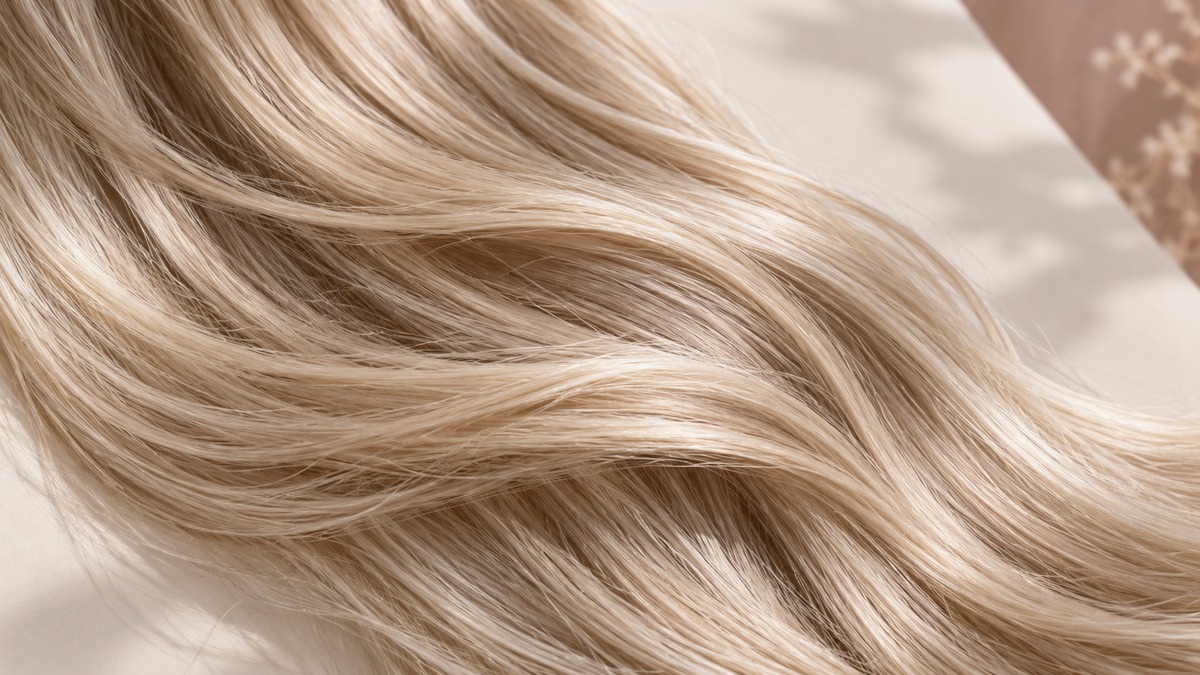
The quick distinction: lightener changes the hair’s depth by lifting natural or existing pigment; toner adjusts the visible tone on the prepared base. Permanent dye may lift natural pigment and deposit new color, depending on its formula and developer. A gloss can deposit color without significant lift. Neither a cool gloss nor purple shampoo turns an orange, medium-depth base into pale blonde. Wella’s toner guide separates the lightening stage from choosing the final shade, and Redken explains the no-lift behavior of its gloss.
On a narrow screen, scroll sideways to compare every column.
| Service | Main job | What it can change | What it cannot promise |
|---|---|---|---|
| Lightener or bleach | Lift pigment to a lighter level | Depth and the exposed warm background | A finished beige or cool tone on its own |
| Demi-permanent toner or gloss | Deposit a chosen tone on the current base | Visible warmth, shade nuance, and shine | A much lighter level or identical results on every porous zone |
| Permanent dye | Make a longer-lasting color change | Deposit color and, with an appropriate formula, lift natural pigment | Predictable lift through old artificial dye or the same effect as a deposit-only gloss |
If a salon estimate lists “lightening + toner,” those are two separate color decisions. Ask what level the lightening can realistically reach and what tonal finish the second step will create. The hair color levels guide helps you name the depth before discussing a shade.
The Two-Step Lightening Reality: Why Bleach Is Only Half the Job
Lightening removes some pigment and exposes the underlying warm background. Depending on the starting level and how far the hair lifts, that background may look red-orange, orange, golden, or pale yellow. The lighter target does not arrive as an automatically finished “ash blonde.” Wella’s professional toner education explicitly connects each lightened level with exposed warmth. Previous color, uneven application, and different porosity along the hair can also leave more than one background on the same head.
Picture a brunette who asks for creamy blonde highlights. After the lightener is rinsed, the strands might be light enough but still look yellow-gold. That is a normal color stage, not proof that the service has failed. A toner can add a measured violet or beige direction to bring that light base toward the requested finish. If the strands are still deep orange and the reference is pale blonde, a toner can soften orange at that depth but cannot supply the missing lift. A colorist must decide whether more lightening is feasible or whether a deeper caramel or bronde goal is more realistic.
The hair color wheel guide explains why violet visually balances yellow and blue balances orange. The goal is not to erase the background physically. Deposited pigment changes how the existing color reads. In mixed yellow-orange hair, a single “purple toner” may leave orange visible; the formula and placement have to match what is actually present.
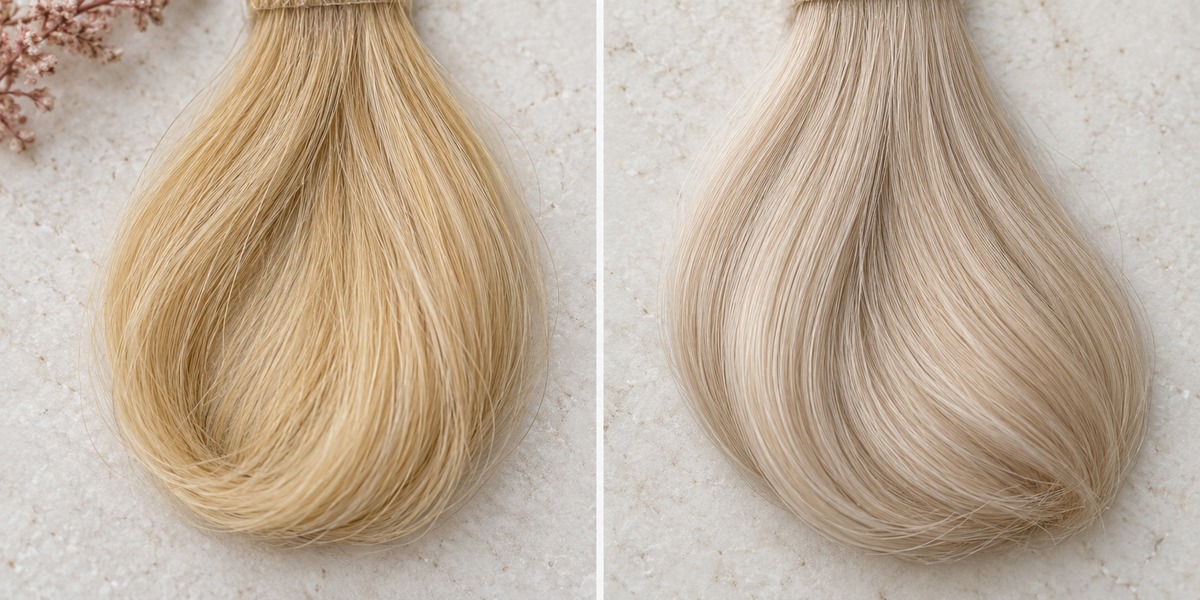
To communicate a target, bring a photograph taken in neutral daylight and say whether you want less warmth at the current lightness or a lighter result. The distinction affects time, cost, and the likely number of services. Mention any previous permanent color, home dye, or repeated lightening; artificial pigment and fragile ends can change what is sensible in one appointment.
4 Things Toner Actually Does for Your Hair
1. It neutralizes or enhances the visible tone
Colorists choose a tonal direction based on the warmth they see and the finish you want. Violet can soften yellow; blue can soften orange; a mixed base may need a blended direction. Toner can also enhance warmth on purpose: honey, caramel, and soft gold are valid finished shades. “Toning” does not require removing every warm reflection. Matrix’s explanation of salon toners describes both correcting undertones and choosing a new tonal finish.
When you look at a reference, compare the overall depth and the reflection separately. A beige blonde may be less yellow than your current hair without being gray or silver. Ask your colorist to show a swatch or explain the expected fade, especially if you dislike a very cool result. As the added tone washes out, more of the underlying warmth may become visible again.
2. A gloss can increase visible shine
Many demi-permanent glosses leave hair looking more reflective. That is a visual and cosmetic effect of the specific formula and hair surface, not proof that lightening damage has been reversed. Redken describes shine and a smoother-feeling finish for its acidic gloss. If you mainly want shine rather than a color change, ask whether a clear or very sheer gloss fits your goal; a strongly pigmented cool toner may be unnecessary.
Shine also varies with styling, conditioning, and strand condition. A photograph under a bright salon light can exaggerate reflectivity compared with everyday window light. Check the shade in ordinary daylight before deciding that the tone is too warm or too cool.
3. It helps the colorist work with uneven porosity
Porosity describes how readily hair takes up and releases water and product. Bleached ends may be more porous than newer growth, so they can absorb toner more strongly and sometimes look darker or cooler. Toner does not automatically “repair” or equalize those zones. A colorist may adjust placement, timing, shade, or preparatory care to make the finish more even. Wella’s demi-permanent guide warns that porous hair may develop more intensely than expected and recommends assessing the hair and testing a strand.
This is why a one-formula, all-over application is not always the right plan. Point out any pale ends, orange midlengths, or recently lightened sections before the toner is mixed. If hair feels brittle or is breaking, ask for an assessment of its condition before another chemical step. A color that looks even on day one can also fade unevenly if the different zones hold pigment differently.
4. Some acidic glosses help the cuticle lie smoother
The cuticle is the hair fiber’s outer layer. Certain acidic salon glosses are designed to leave that surface smoother after lightening, which can contribute to shine and a softer feel. Redken describes this effect for its own acidic Shades EQ gloss. It is more accurate to say some formulas smooth the cuticle than to claim every product called toner permanently “seals” it. Toner still cannot rebuild lost pigment or undo structural damage from overprocessing.
Ask what finishing or conditioning steps accompany your specific lightening service. A colorist may use a gloss, conditioner, or other treatment according to the formula and the condition of your hair. If the main concern is severe dryness or breakage, a shade adjustment alone is not the whole answer.
How Long Does Toner Last? (The Fading Timeline)
For a typical demi-permanent salon gloss, use 4–6 weeks as a planning range, not an expiration date. Redken gives 4–6 weeks for Shades EQ; some salon glosses are described as lasting longer, and temporary at-home products often fade sooner. The number of washes matters more than the calendar alone. Frequent shampooing, a very porous lightened base, strong sun exposure, and the exact pigment or formula can change what you see. Your colorist can give a more useful estimate for your hair and product than a universal “24 washes” promise.
The following is a typical planning timeline, not a fixed schedule for every head of hair:
| Time after service | What you may notice | Useful next step |
|---|---|---|
| Weeks 1–2 | The tonal finish and shine are usually easiest to see. | Photograph the shade in indirect daylight so you have a reference. |
| Weeks 3–4 | Some of the added cool or beige tone may soften; a little underlying warmth may return. | Compare in the same light and decide whether the change bothers you. |
| Weeks 5–6 | A refresh may be useful if the desired reflection has noticeably faded. | Ask whether a gloss refresh or a maintenance product fits the actual warmth. |
If your color appears warmer after only a few washes, do not assume the toner was skipped. Very porous hair or a large gap between your base and target can make the fade obvious quickly. Wella notes that high porosity can affect color retention. A daylight photo from the appointment and one from the same spot a few washes later gives your colorist concrete evidence for the next formula and maintenance plan.
To help the finish last, wash when your hair needs washing rather than using an arbitrary schedule, and choose a shampoo and conditioner intended for colored hair. A sulfate-free shampoo can be a reasonable choice if it suits your hair, but the label alone does not guarantee a particular number of extra weeks. Use lukewarm rather than very hot water if comfortable, avoid unnecessary heat, and follow any temperature and product directions from your colorist. Wella’s color-care guidance recommends gentle color-care products, while its fading guidance connects porosity with faster color loss.
Purple or blue maintenance products add temporary cool pigment; they do not keep the original salon formula locked inside the cuticle. Use one only when you can identify the unwanted yellow or orange reflection it is meant to counter. Follow the product’s contact-time directions, especially on pale or porous ends that may take up pigment quickly. If the color turns dull, grayish, or patchy, stop adding more pigment and ask the colorist how to adjust it.
Salon Gloss vs. Purple Shampoo: Understanding the Difference
A salon gloss or toner is chosen for your starting level, the warmth in each zone, and the desired finish. A colorist can select a demi-permanent formula, control placement and processing, and choose more than a single violet direction. It can make beige, pearl, caramel, or ash nuances, provided the underlying depth supports the goal. The salon service may also be part of the same appointment as lightening. Redken describes demi-permanent gloss as a color-correcting and shine-enhancing salon service.
Purple shampoo is a wash-off maintenance product that deposits violet pigment to soften yellow in blonde, silver, or gray hair. It is useful when the lightness is already where you want it and a modest yellow cast appears between appointments. It is not a full substitute for selecting a salon finish after lightening, and it does not address a distinctly orange base the same way a blue direction might. Matrix describes purple shampoo’s yellow-neutralizing role; the hair color wheel guide explains the yellow/violet and orange/blue distinction.
Use this decision check before buying a tinted shampoo: Is the unwanted reflection yellow, orange, or a mix? Is the depth already right? Are roots, mids, and ends the same color? If your answer is “pale yellow, correct depth, fairly even,” a purple maintenance product may be enough. If it is “orange midlengths and pale ends,” one purple wash across everything may over-tone the ends while leaving the orange. Ask a colorist about a targeted gloss or a larger correction instead.
The same distinction applies to a clear gloss. Clear can add a shine-focused finish but cannot neutralize a strong yellow or orange reflection without the appropriate pigment. Conversely, a pigmented toner is not automatically the best choice for someone happy with their existing warm tone. The useful question at the salon is: “Are we changing the level, the tone, the shine, or more than one of those?”
Frequently Asked Questions
Can toner lighten bleached hair?
A deposit-only demi-permanent gloss does not provide the lift needed to turn a darker orange base into pale blonde. It may make hair look brighter by reducing yellow, but the level remains essentially the same. Because “toner” names the service rather than one chemistry, ask whether your colorist means a demi-permanent gloss or a permanent toner; Wella offers both types. Do not choose a developer or process based on the name alone.
Is toner the same thing as hair dye?
Toner is a color product, but the term refers to its job of refining tone. A demi-permanent gloss is one common toner; permanent toners also exist. Ordinary permanent dye is often chosen for a longer-lasting change or gray coverage, while a post-lightening gloss fine-tunes the prepared base. Your colorist should tell you which product category and result apply to your appointment.
Does everyone need toner after bleaching?
Not necessarily. A lightened base can already suit a deliberately warm target, and different color techniques use different finishing steps. Many blonde or beige goals do benefit from toning because the exposed background is warmer than the reference. Wella notes that toner is usually, but not always, part of a highlight service. Decide from the actual lifted color and goal, not a rule that every lightening appointment must end with ash.
Why did my toner turn my ends gray or violet?
Very light, porous ends may take up cool pigment more intensely than less porous hair. The chosen tone, application time, and difference between zones can all matter. Do not try to correct it by immediately applying another strong color. Follow your colorist’s instructions or ask them to assess the result, and show which areas changed. Wella’s demi guide specifically cautions that porous hair can develop darker than expected.
Can I use purple shampoo instead of booking another toner?
If the only change is mild yellow warmth on an otherwise suitable blonde, a purple shampoo used as directed may help between visits. It cannot create a tailored beige finish, solve orange bands, or make hair lighter. If you want the original salon shade restored across several uneven zones, ask about a gloss refresh. Compare the visible warmth with the hair color wheel before choosing a maintenance product.
For your next salon conversation, bring a daylight photo of your current hair, a target image, and your recent color history. Say which part of the target matters most: lighter depth, less warmth, a particular beige or caramel tone, or lower-maintenance grow-out. Ask what the colorist expects the finish to look like after several washes and which at-home care actually fits it. If you are still comparing broader shade directions, the hair color quiz can help organize your preferences before the consultation.