Hair Color for Dark Skin: Depth, Undertone, and Contrast
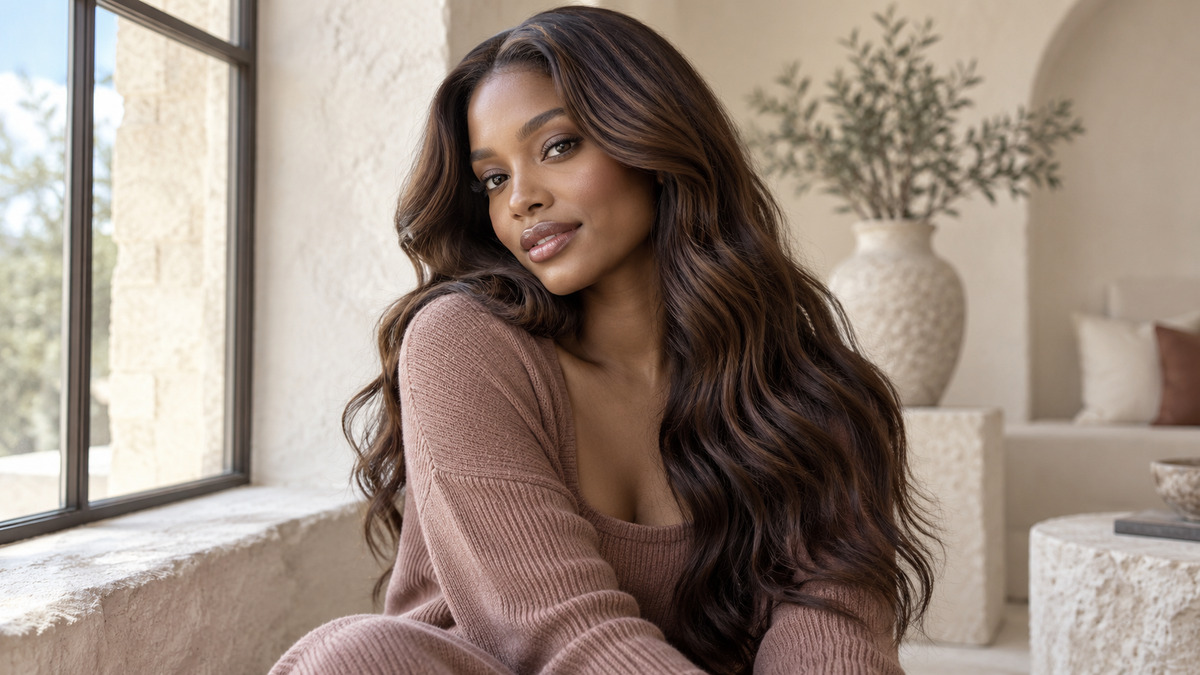
Dark skin does not prescribe one hair color. Compare your preferred depth, warm or cool reflection, and contrast: deep brunette, copper-red, and lighter accents can create different effects. The process depends on your starting hair and color history, not skin depth alone.
Separate skin depth from hair depth and preference
Skin depth describes how light or deep a complexion appears. Natural hair base is the color and depth of uncolored hair at the roots. Those are separate things: deep skin can look warm, cool, or balanced, and no skin-depth label tells you how dark your hair must be. Undertone is a styling clue about color temperature, not a rule. Wella’s maroon guide discusses richer maroon beside medium-to-dark warm complexions as one styling option; it also discusses cooler versions elsewhere. Your own preference decides which effect to test.
Start with three references in similar daylight: a brunette close to your natural depth, a warmer red-brown, and a lighter accent. The first keeps the overall light-dark difference near your usual look; the second changes visible reflection; the third changes where the eye notices lightness. A shade name is only a starting description. Wella calls maroon a dark red-brown, but the actual depth and red reflection still need a swatch or clear reference. The guide to hair color levels helps you describe the depth separately.
Compare deep brunette, maroon, and copper-red directions
Deep neutral brunette can show brown dimension without a conspicuous red or gold cast. Chocolate brown spans more than one depth and temperature, so compare an actual swatch rather than assuming the name fixes the result. Maroon is a deep red-brown direction; copper-red usually reads more orange. Put references at a similar depth side by side if you want to judge reflection instead of overall lightness. Wella’s maroon examples distinguish red-brown maroon from plum and other red families.
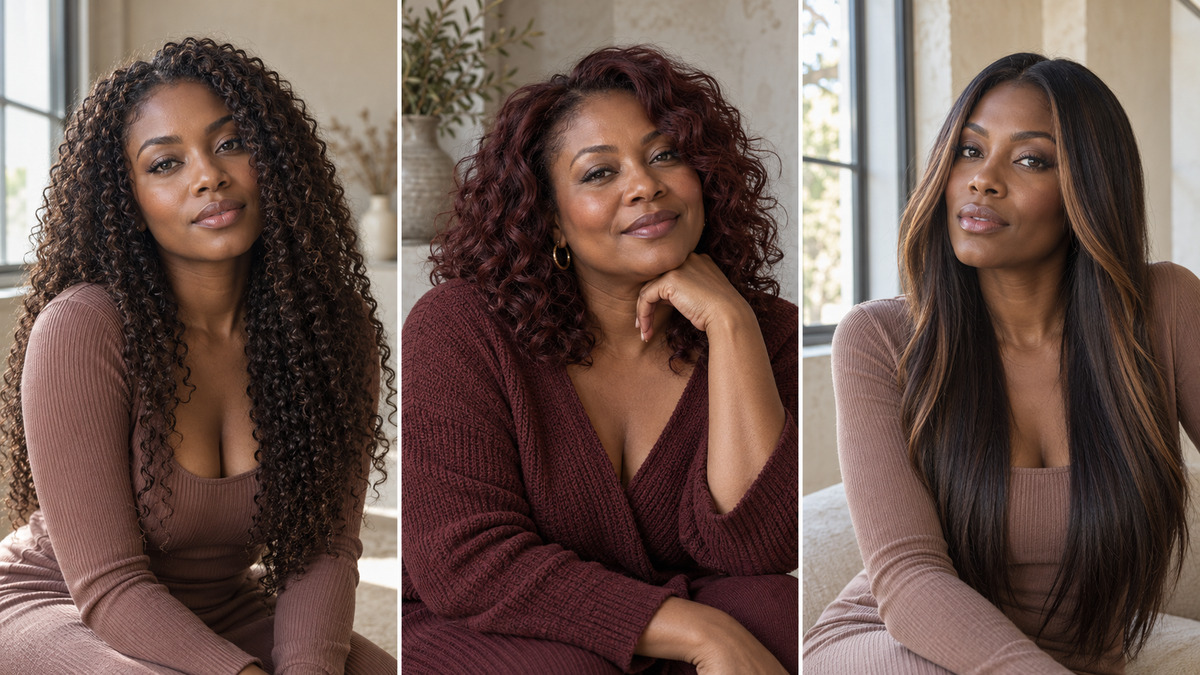
If you want red while keeping brunette depth, compare a brown-led maroon with a version that has a little plum or wine reflection. Wella describes plum and wine tones as ways to move maroon cooler. That changes the visible color cast, not the fact that you are choosing a deep shade. A warmer version or a copper-brown may be your preference instead. Use the hair color wheel to understand reflection; a tone adjustment is different from making hair lighter.
| Direction | Depth | Reflection | Visible effect |
|---|---|---|---|
| Deep brunette | Close to a dark natural base | Neutral or subtle chocolate brown | Low change in overall light-dark contrast |
| Maroon | Deep brown to red-brown | Warm red-brown or cooler plum-leaning red | More visible red reflection without necessarily going lighter |
| Copper-red | Choose a reference at the depth you want | More orange-red than maroon | Clearer warm reflection; the starting hair affects feasibility |
Decide how much contrast you want near the face
An all-over deep shade keeps the hair mass fairly consistent. Narrow lighter ribbons around the face change contrast locally while leaving much of the brunette base visible. Neither placement is required by skin depth. Look at the amount of light hair in a reference, its distance from the roots, and how it frames your face. If you like blonde against deep skin, that is a contrast preference; ask about the route from your current hair rather than treating the contrast as a rule about complexion.
Use the same questions for a low-change brunette, a deep red-brown, or lighter highlights. A colorist may suggest a different placement after seeing your natural root, color-treated lengths, and hair condition. A photograph can describe your target, but it cannot specify the service that will get you there.
| Reference | Depth | Reflection | Placement | Ask your colorist |
|---|---|---|---|---|
| Dark brown | Near natural depth | Neutral or chocolate | All over or soft dimension | How will the roots and lengths differ as this grows? |
| Deep red-brown | Brunette depth | Maroon, warmer red, or plum-leaning | All over or selective pieces | How visible will this reflection be on my current hair? |
| Lighter highlights | Dark base with lighter pieces | Choose a specific warm, cool, or balanced reference | Narrow face-framing pieces | What lightening and upkeep would this placement need? |
Check feasibility and maintenance with a colorist
Bring a daylight photo of your natural roots and lengths, plus two or three target references. Tell your colorist about previous permanent color, highlights, or other color services, and mention any history of sensitivity to coloring products. Describe how large a change you want in depth, reflection, and placement. The same maroon photograph may involve different work on natural dark hair and previously colored hair; it does not reveal a dye formula or a guaranteed result.
Ask whether your target needs lightening, how the chosen reflection may fade, and what visible root growth will look like. See hair color maintenance before deciding how often you are willing to refresh color. The American Academy of Dermatology’s coloring guidance notes that more lightening can increase damage, so discuss your hair’s condition and a realistic plan. For any dye, follow the product’s warnings and directions; the FDA’s hair-dye precautions include a patch test each time hair dye is used.
Take this short checklist to your consultation:
- Show your natural roots and color-treated lengths, and describe past color services.
- Point to the depth, reflection, and placement you want in each reference.
- Ask what lightening, fading, root growth, and upkeep may mean for your hair.
FAQ: choosing a shade for deep skin
Can dark skin wear blonde?
Yes. Blonde can be a deliberate high-contrast choice with deep skin. Compare a few lighter face-framing pieces with an all-over blonde reference in similar light to decide how much contrast you want. Whether and how your hair can reach either look depends on its starting color, color history, and condition; ask a colorist to assess those details.
Is copper the only warm option?
No. Warm chocolate brown, red-brown maroon, and copper-red offer different amounts and types of warmth. Compare them at a similar depth first, then decide whether you want warmth throughout the hair or in selected pieces. Bring the specific copper reference you like to your colorist.
Compare your preferences with the hair color quiz, then take your references and color history to your colorist.