Permanent Hair Color: Lift, Regrowth, Gray Coverage, and Limits

Permanent hair color changes color within the hair shaft and usually leaves a clearer regrowth boundary than a softer fading service. Permanent does not mean the visible shade never fades. Check the exact formula for lift, gray coverage, and maintenance rather than relying on the label alone.
Understand what permanent does and does not describe
“Permanent” describes a class of color process, not a promise that the shade you see on day one will look identical forever. In Wella Professionals’ guide to color types, permanent color opens the outer hair cuticle so color can enter the hair shaft. Wella also says the visible color does not last forever. That distinction matters when you are deciding how much change and upkeep you want.
The cuticle is the outer layer of a hair fiber; the shaft is the strand itself. This simple description helps explain why permanent color changes previously treated lengths differently from new hair growing at the roots. It does not tell you how far a particular formula can lighten your hair, what it will do over older dye, or how completely it will cover gray. Those answers need the actual product instructions and an assessment of your hair.
Separate color change, lift, and gray coverage
Start by naming the result you want. Depth is how light or dark the hair looks; reflection is the warmth or coolness you notice at that depth. Covering or blending gray is another goal. A permanent label alone does not settle all three. Use hair color levels to describe a depth change, then ask what the selected formula is designed to do on your natural roots and previously colored lengths.
| Your goal | Check the formula instructions for | Ask your colorist |
|---|---|---|
| Change depth | Its stated lightening or darkening use on your starting hair | How would my natural roots and colored lengths reach this reference? |
| Change reflection | The shade direction and whether it requires a depth change | Could we adjust the warmth at a similar depth? |
| Cover or blend gray | Gray-coverage claim for the specific shade and range | Would this formula cover my grays or leave a softer blend? |
A lightener and a permanent dye are different product choices. Wella lists hair lightener separately for making hair lighter and describes permanent color as a distinct class. A blonde reference cannot tell you which product or process is appropriate for your starting base. The hair color wheel helps you separate a shift in reflection from the larger change in depth that may require lightening. Bring the reference and your color history to a colorist instead of choosing a developer strength from a shade name.
Plan regrowth and maintenance
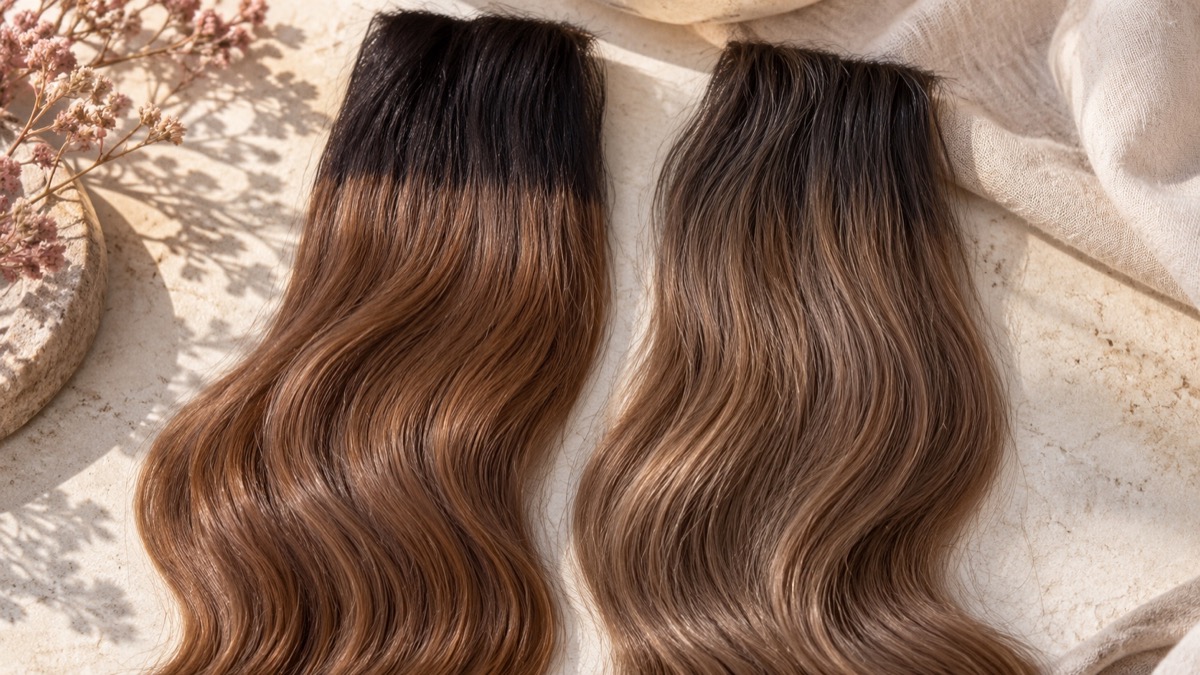
New hair grows in with your natural color while previously colored lengths retain their color history. That difference can create a visible boundary, even as the reflection on the lengths softens. Wella notes that permanent color can show stronger regrowth lines than some other color types. The two tresses above compare boundary appearances; they do not predict how any one service will grow out on you.
Decide whether you are comfortable seeing your natural roots between visits and how much color refresh you want. Ask how the selected formula may look as it fades and where a touch-up would be applied. A fixed calendar cannot be inferred from the word “permanent”; timing depends on the shade, your hair, and the service. The hair color maintenance guide can help you plan care and follow-up. For your consultation, note:
- Your natural root color and any gray you want covered or blended.
- Previous dye or lightening through the mid-lengths and ends.
- How visible a root boundary and how frequent a refresh feel workable to you.
Use instructions and a salon assessment for the process
A colorist can compare the condition and history of your roots and lengths with the chosen product’s directions. Tell them about prior permanent color, lightener, glosses, and home color, even if the current shade looks even. A photograph shows a target appearance, not the steps used to get there. Ask which parts of your reference are feasible now and which may require a separate lightening or toning decision. The American Academy of Dermatology’s coloring guidance also treats the degree of lightening as relevant to hair condition.
Follow the warnings and directions for the dye actually used. The FDA advises a patch test each time you dye your hair, including at salons, and says not to use the dye if a rash develops. An “ammonia-free” label alone does not rule out a reaction: the FDA notes that other dye ingredients can cause allergies. Check the ingredients and directions of the specific product with your colorist.
FAQ: choosing a commitment level
Does permanent color fade?
Yes. The visible shade can change even though the coloring process has altered the previously treated hair. Wella explicitly distinguishes a permanent color process from color that lasts forever. Ask what may soften first in the particular shade you choose and how a refresh would affect your roots and lengths.
Does permanent color always cover gray completely?
No. Gray coverage depends on the specific formula and shade, so the permanent label alone is not a complete-coverage guarantee. Wella describes gray coverage as a possible use for permanent color, while its different ranges make different claims. Tell your colorist whether you want opaque coverage or a softer blend, then check the product’s stated use for your goal.
Compare your preferences with the hair color quiz, then take your references and color history to your colorist.