The best hair color for Soft Summer is rarely the boldest option on a swatch ring. It is the one that preserves a cool-neutral cast, keeps contrast moderate and still makes sense with your roots, eyes and tolerance for upkeep. Brown, blonde and red can all work, but they ask for different compromises.
Start with the depth you already have
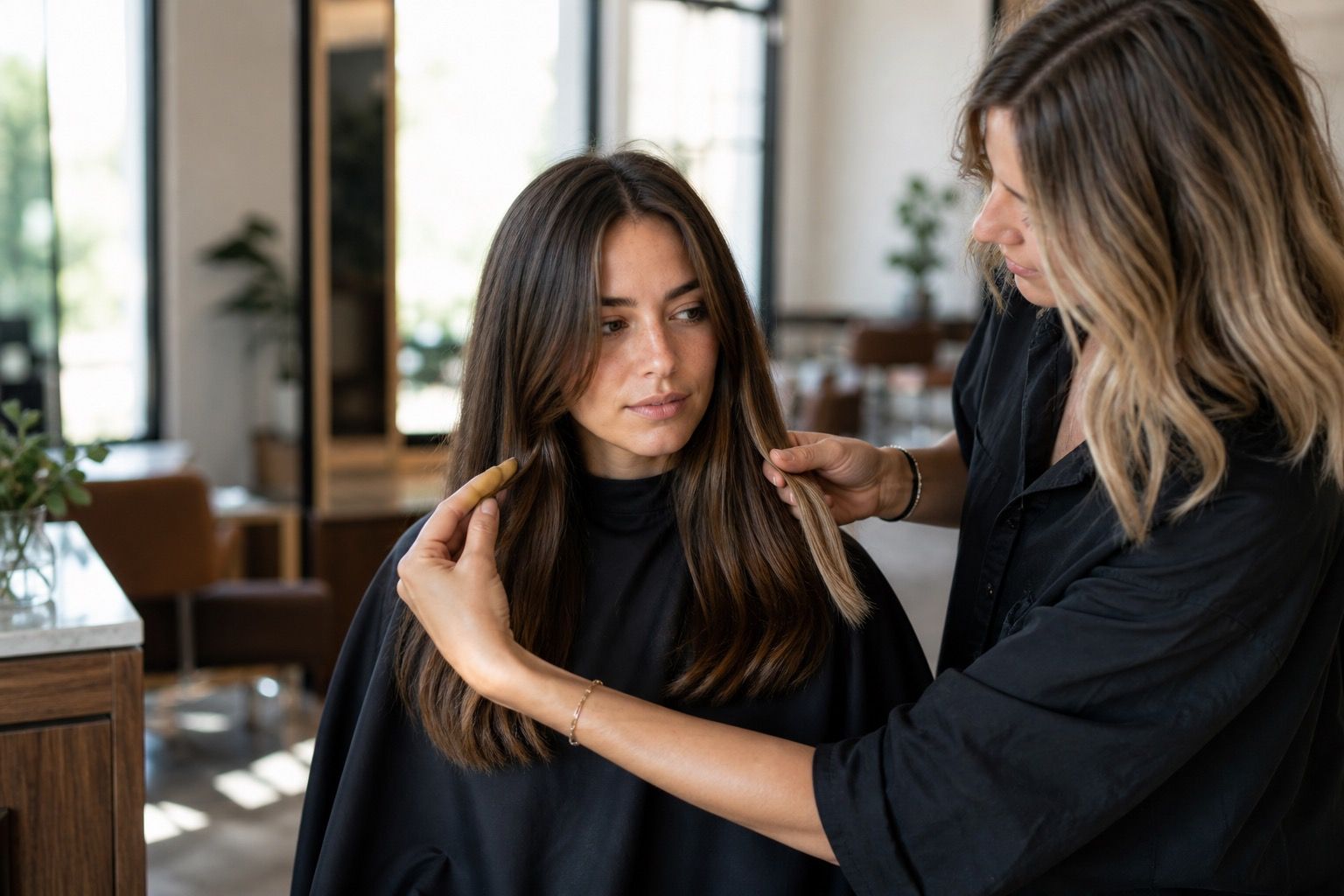
Before choosing a tone, note where your natural root sits on a simple light-to-dark scale. A dark blonde root usually has more room for mushroom blonde or dark ash blonde; a medium brown root may look more convincing with taupe brown and fine beige dimension. Moving several levels away from that base can be beautiful, but it changes the contrast of the face as well as the hair.
Pick soft brown when you want the lowest-maintenance answer
Taupe brown, soft ash brown and cool cocoa are dependable choices when you want richness without red. They work especially well when your natural base is medium or dark blonde and you do not want a visible grow-out line. The result should look shaded, not painted grey: a neutral brown base with enough coolness to keep orange reflections under control.
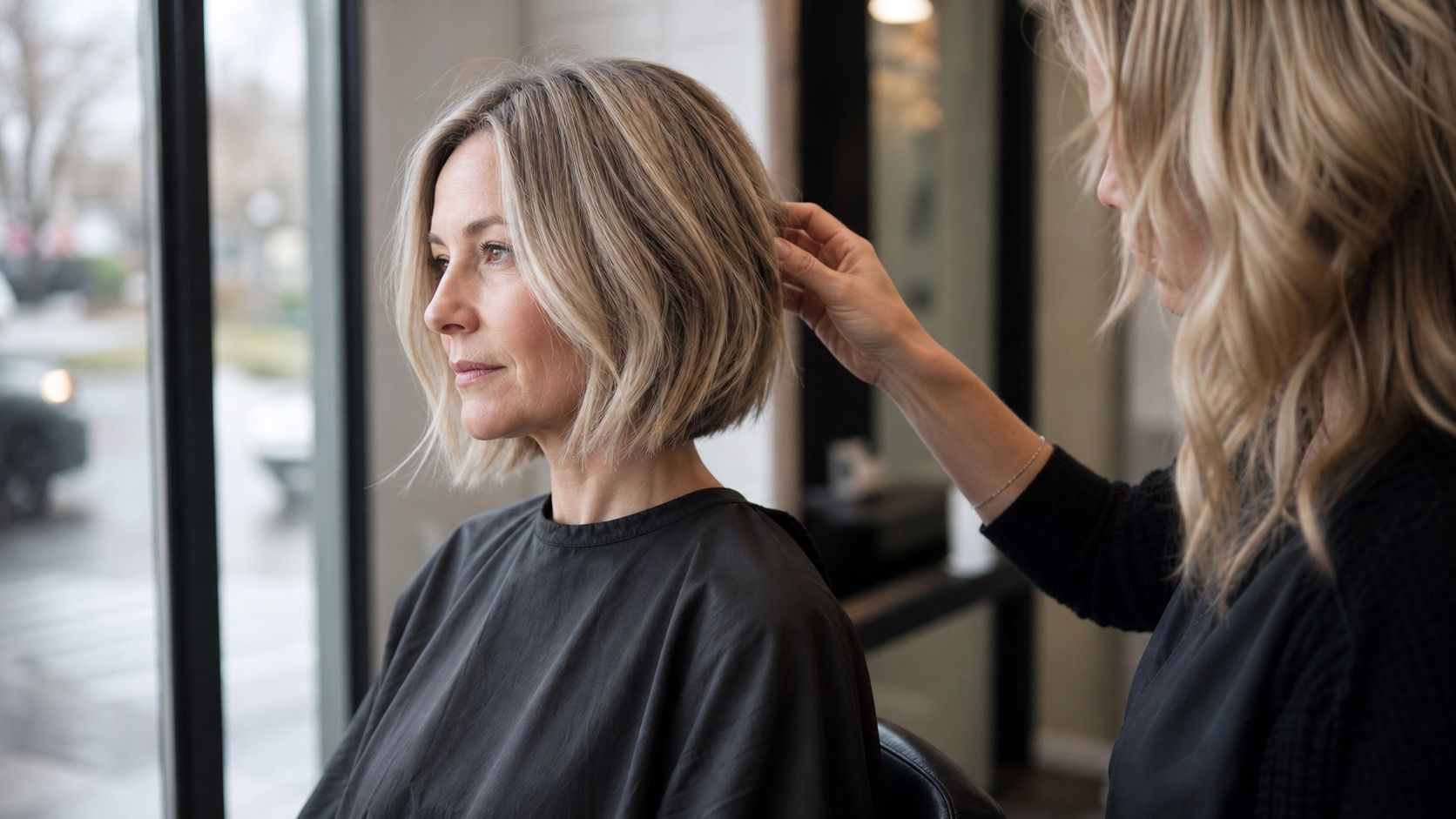
Brown is also practical for grey coverage. Ask whether the formula needs natural pigment for hold, then ask how the final gloss will keep that coverage from reading warm. A good colourist can build coverage at the root and leave the lengths slightly softer, so the hair retains movement instead of becoming a single dense curtain.
Be cautious with names such as chocolate, chestnut and mocha. They vary widely from one salon to another and often hide red or gold. A photo of a muted, medium-depth brunette in daylight communicates more than a fashionable shade name.
Choose blonde for lightness, not maximum brightness
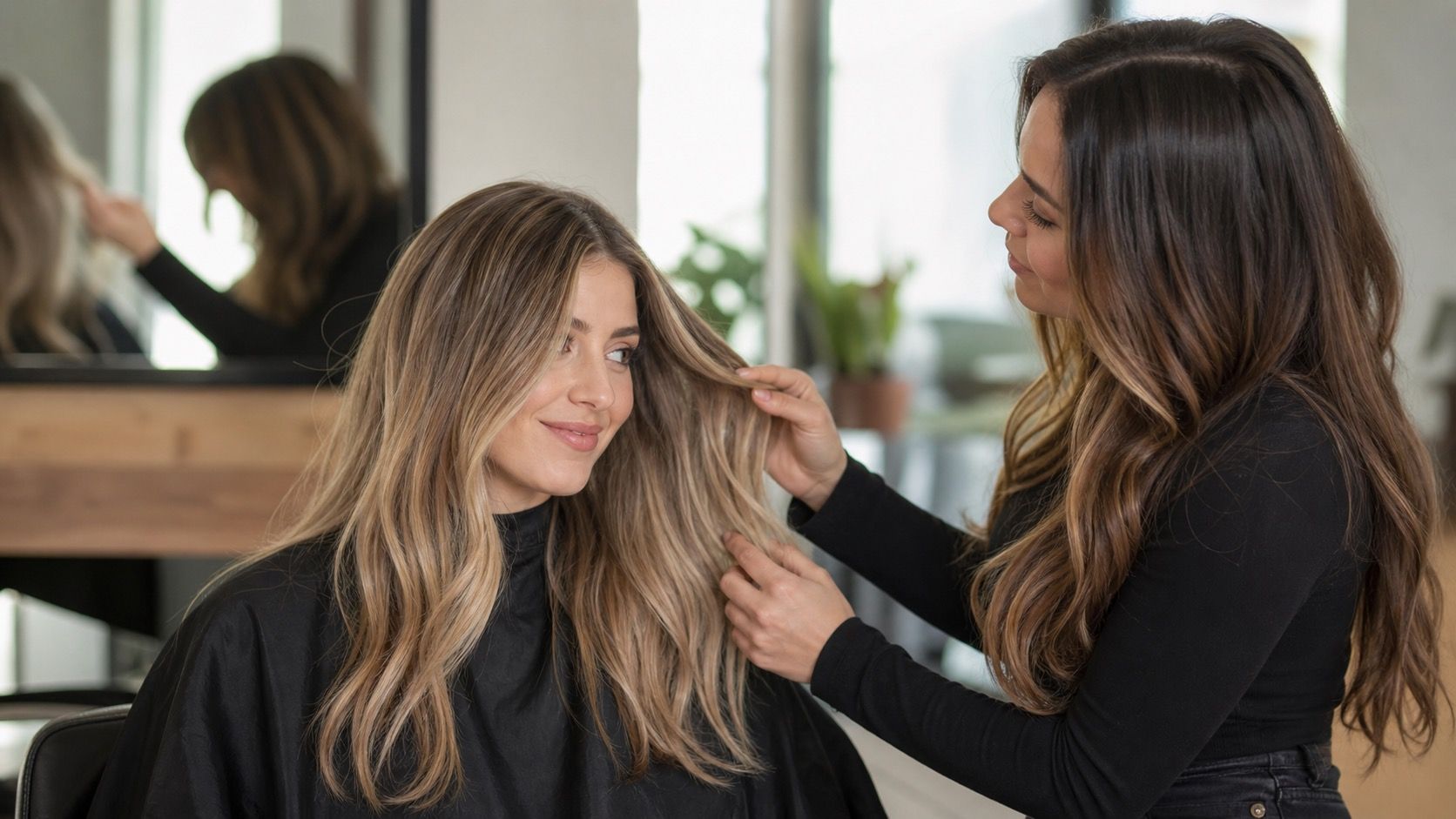
Dark ash blonde, mushroom blonde and soft beige ribbons can be the best hair color for Soft Summer when the face benefits from lightness. The key is to keep the blonde smoked and connected to the base. Fine highlights, a root shadow and a neutral toner tend to look more natural than a large, pale money piece against a dark root.
Blonde takes more maintenance because the underlying warmth appears as toner fades. If you want an easy routine, stay within one or two levels of your natural base and leave some darker hair visible around the crown. If you want a noticeably lighter result, plan for glosses and occasional face-framing refreshes rather than assuming one toner will stay icy for months.
| If you want... | Usually start with | Maintenance reality |
|---|---|---|
| Natural-looking depth | Taupe or cool cocoa brown | Gloss when warmth appears |
| A little more light around the face | Beige micro-highlights on a neutral root | Refresh front pieces and toner |
| A softer overall blonde | Dark ash or mushroom blonde | Lift gradually to protect condition |
| A reddish change without orange | Muted rose-brown gloss | Expect pigment to fade fastest |
Do not use a virtual preview as proof that blonde will behave the same way on your hair. It can help you reject a depth that feels too light, but a salon strand test reveals the real lift, porosity and yellow underlying pigment.
Treat red as a reflection, not a strong statement
Soft strawberry blonde and muted rose-brown can work when they stay beige and low-saturation. Bright copper, tomato red and glossy auburn often add more warmth and contrast than Soft Summer features can absorb. The issue is not that red is forbidden; it is that a vivid orange note quickly becomes the first thing people notice.
Try a glaze, demi-permanent formula or a few tonal lowlights before changing the whole head. This is particularly important on previously lightened hair, where red can grip unevenly. Check the colour beside clothes you actually wear: soft navy, blue-grey, dusty rose and muted berry are revealing companions because they show whether the red is harmonising or fighting the palette.
Make the final decision with a short salon checklist
Bring two or three references with similar starting depth and texture, not ten unrelated celebrity images. Explain which part you like: the root depth, the beige brightness, the lack of visible warmth or the amount of contrast around the face. A colourist can translate that into a formula; the phrase “Soft Summer” alone cannot do that work.
Share old colour history honestly, including box dye, henna, very dark permanent colour and recent lightening. These details determine what is safe in one appointment. Ask what will fade first, how often a gloss is likely to help, and whether the plan includes grey coverage. A shade is only a good choice if you can live with its in-between stage.
Finally, look at the finished hair near a window before leaving. The best Soft Summer result has softened the overall picture without making you look faded. If it feels too yellow, too dark or too dramatic, that observation gives the colourist a practical direction for the next adjustment.
Keep the photos from the appointment, but also note the formula direction in plain language: neutral root, beige lightness, muted warmth, or cool gloss. That small record prevents the next visit from becoming a search for a shade name. It also makes it easier to adjust one variable at a time instead of changing depth, tone and highlight placement all at once.
A careful, gradual adjustment is usually more flattering than forcing a dramatic result in one long appointment.
Read the choice against your real routine
A hair colour is easier to choose when it is tested against the situations where you actually see yourself, rather than against a salon photograph. Stand near a window in the morning, then look again in the bathroom and on a video call. A cool-neutral brown may look almost plain in one room but give the skin a calmer, more even appearance in the mixed light of a normal day. A bright blonde can look exciting under spotlights yet make the root line and tiredness around the eyes more obvious by lunchtime.
Consider the amount of styling you normally do. Smooth, glossy hair reflects colour evenly, while textured, air-dried or curly hair shows every tonal variation. If you rarely blow-dry, ask for a blend that looks deliberate when the hair separates naturally. Fine cool-beige highlights through the mid-lengths can be more forgiving than a solid pale blonde that depends on a perfect finish. If you wear your hair clipped up often, make sure the colourist checks the nape and hairline; warm patches there can appear unexpectedly in daylight.
Your wardrobe is a useful reality check too. Soft Summer colours such as blue-grey, muted navy, dusty rose and softened berry usually reveal whether the hair has become too golden or too stark. You do not need to match hair to clothing, but the combination should not make one of them look cheap or overly bright. Bring one familiar top to the consultation if you are uncertain. It gives the colourist a stable reference that a heavily edited inspiration image cannot provide.
Budget is part of the answer. A subtle brown gloss might be refreshed in a short appointment, while a heavily lightened blonde can require toner, bond care and regular face-frame maintenance. Choose the direction whose faded version you can still enjoy. Soft Summer colouring is at its best when the grow-out remains gentle, not when every lost degree of coolness creates an urgent correction.